Business debt payoff plan: snowball vs avalanche
The BudgetRank Team · · Updated · 3 min read

If your business owes money to more than one lender, a payoff plan turns scattered repayments into one order of attack. The two common methods are the snowball and the avalanche. This guide explains both and how to choose. The free business debt payoff tracker gives you a sheet to build your own plan.
What is a business debt payoff plan?
It is a list of every debt with its balance, interest rate and minimum payment, plus the order you will clear them in. You pay the minimum on all debts and send every spare amount to the one at the top of the list. When it is cleared, you move its payment to the next.
What is the debt snowball method?
Order debts from the smallest balance to the largest. Pay the minimum on all of them and put all extra money on the smallest. When it is gone, roll that payment into the next smallest. You clear debts quickly at the start, which many owners find motivating.
What is the debt avalanche method?
Order debts from the highest interest rate to the lowest. Pay the minimum on all of them and put all extra money on the highest-rate debt. This usually costs less interest in total than the snowball, because the most expensive debt is cleared first.
Which method should you choose?
Choose the avalanche if you want to pay the least interest. Choose the snowball if quick wins will keep you going. If the smallest debt also has a high rate, both methods give the same order. The best method is the one you will stick to.
How do you build the plan?
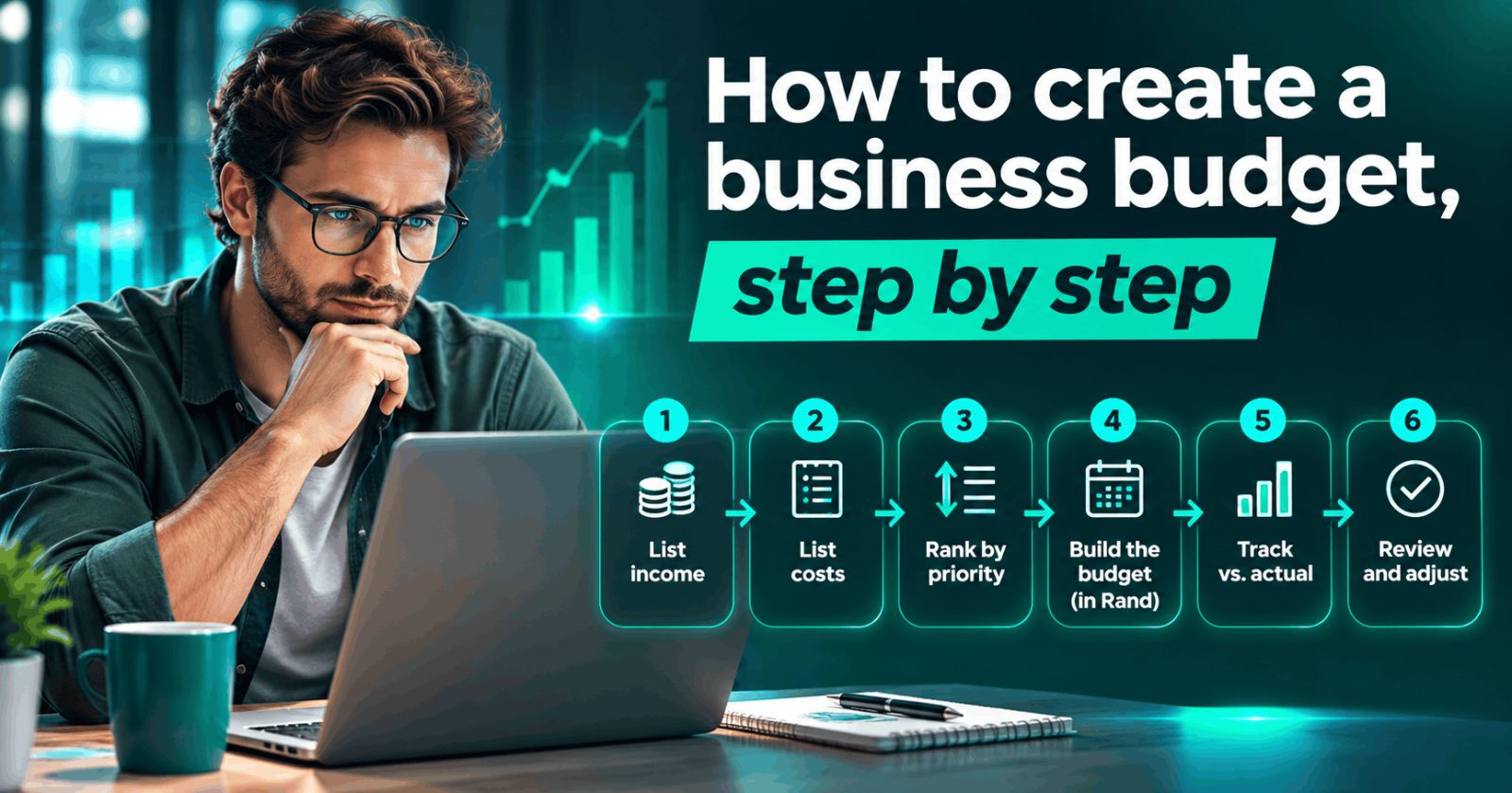
- List every debt: lender, balance, interest rate and monthly minimum.
- Work out how much extra you can put toward debt each month after your Top-priority costs. A prioritised budget makes this number clear.
- Pick a method and number the payoff order.
- Set a target date for each debt.
- Update balances monthly and move freed-up payments to the next debt.
How can BudgetRank help?
In BudgetRank you can add your debts and link repayments to allocation forms. When a form is approved, its repayments are applied to the matching debts, so balances follow the decisions you have already made. See the guide on tracking debt payoff with allocation forms.
Common questions
Should I stop saving while I pay off debt? Keep a small cash buffer so that one surprise bill does not push you back into debt. Beyond that, how to balance the two depends on your situation.
Can I negotiate with lenders? Often yes, especially if you are paying on time. Ask about rates and terms before choosing which debt to attack.
This guide is general information, not financial advice. For decisions about your own debts, speak to a registered financial adviser or accountant.
The BudgetRank Team